
Product
Giải pháp xử lý và hoàn thiện bề mặt hiệu suất cao bao gồm trục vắt, trục tạo lực căng, trục chà, trục nỉ và vật tư gia công hoàn thiện bề mặt.
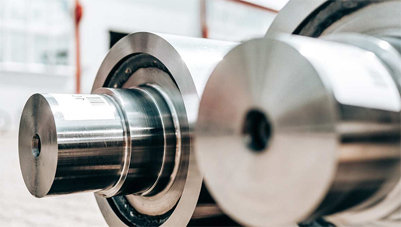
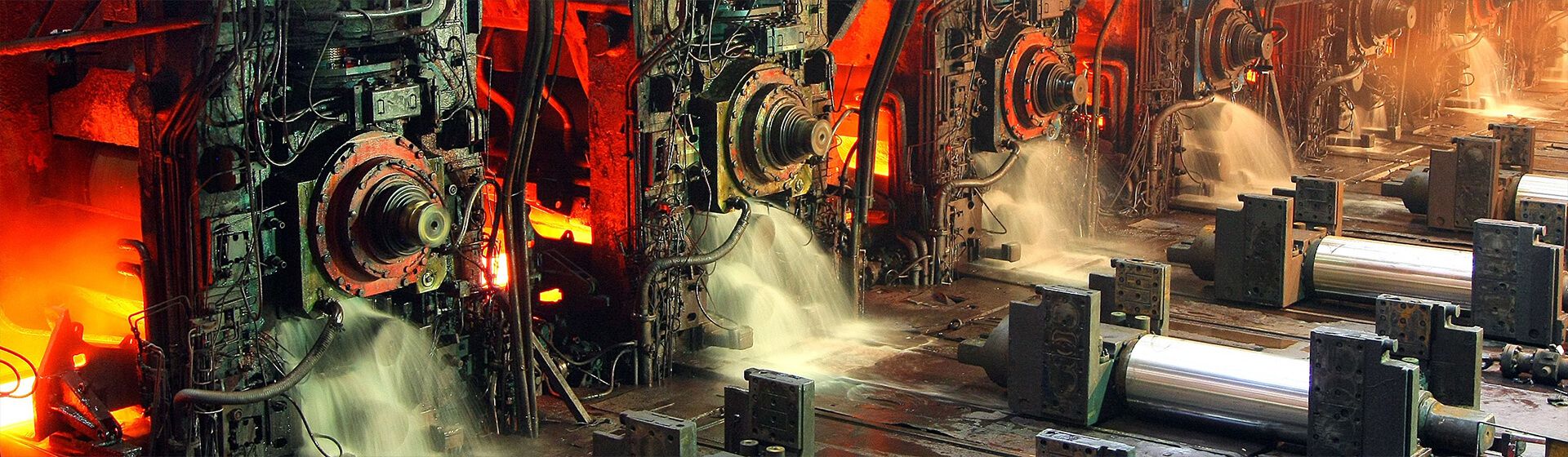
In textile manufacturing, roll coverings are subject to demanding requirements. In addition to high mechanical loads, resistance to aggressive environments and elevated temperatures can determine performance. Special coverings for specific critical positions allow for significant process improvements and longer service life.
Below are examples of some of the challenges in the industry along with recommended solutions. For more details or non-binding recommendations from our technical specialists for your specific application, please feel free to contact us directly.

S-rolls are used to control strip tension. This requires a very high coefficient of friction to transmit large torque between the roll and the strip. S-rolls usually have a wrap angle of more than 180°.
In contrast, drive and brake rolls only contact the strip in a narrow gap.
Slippage of the roll covers leads to increased wear as the covering material is abraded. This can result in strip slippage or also negatively affect drive control.

The laminating process on steel, stainless steel, or non-ferrous metals takes place at high temperatures, where roll coverings are exposed to severe stress. Depending on the covering used, the material may melt, crack, or become slippery.
High contact pressure and/or high circumferential speed often cause damage to the roll covering, for example through grooves or delamination.

In many areas, elastomer-covered rolls must withstand high thermal loads. This can mean operating temperatures ranging from 80°C to 250°C, depending on the elastomer.
If PU coverings overheat, they melt; rubber coverings become smooth and crack. Melted covering material can adhere to the product, get carried along in the process, and be difficult to remove.


TAKAMAX CO., LTD
Address: 24, D2 Street, Mega Ruby Residential Area, Long Truong Ward, Ho Chi Minh City, Vietnam
Tel: 0901812504
Email: sales@takamax.com.vn